
Login
Log in if you have an account
Register
By creating an account with our store, you will be able to move through the checkout process faster, store multiple addresses, view and track your orders in your account, and more.
Create an accountWaterproof or Not? The Real Tradeoffs for Park City Trails
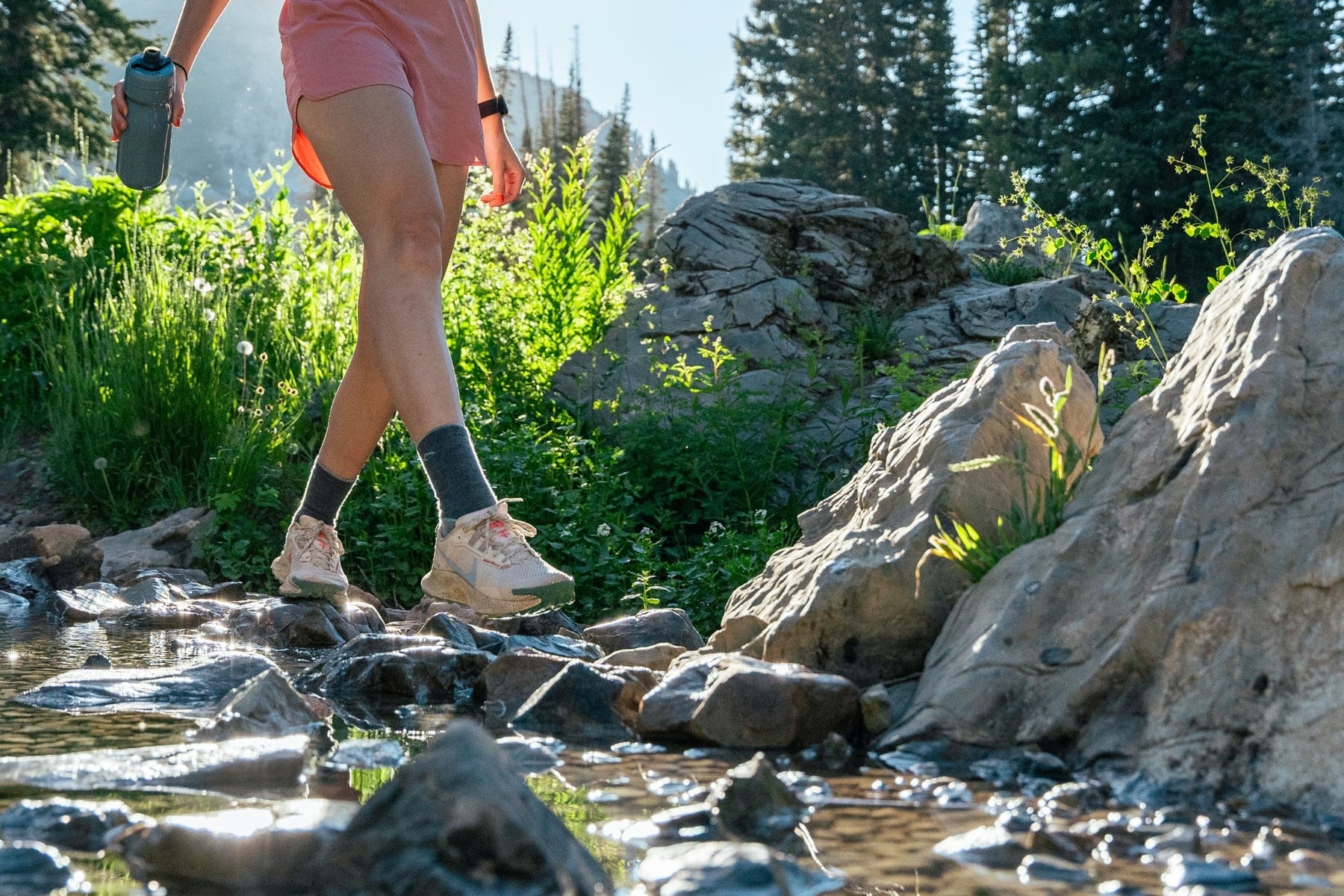
Every hiker in Park City eventually asks the same question: waterproof or non-waterproof hiking shoes? The honest answer is that neither one wins outright. Waterproof shoes keep water out but trap heat and sweat inside. Non-waterproof shoes breathe better and dry faster, but they let water straight through the moment you hit a puddle or a creek crossing. Which one is right for you depends on the trail, the season, and how much your feet sweat.
How Waterproof Actually Works
Waterproof hiking shoes rely on a membrane, often Gore-Tex, sandwiched between the outer material and the inner lining. That membrane blocks liquid water from getting in while letting water vapor escape, at least in theory. A durable water repellent coating on the outside handles the first line of defense against light rain and splashes.
The catch is that the same barrier that keeps water out also limits airflow. Sweat starts as vapor, but in an enclosed shoe it condenses back into liquid faster than the membrane can push it out, and once water gets in over the collar, it has almost nowhere to go and dries slowly. That's how you end up with hot, damp feet by mile three even though it never rained.
The Case for Non-Waterproof
Non-waterproof hiking shoes skip the membrane and lean on mesh paneling instead. That means more airflow, a lighter shoe, and a much faster dry time if you do get wet. For the Wasatch Back's long dry stretches, that breathability matters more than most people expect. If you're wading through Weber River shallows or crossing a creek along Millcreek Canyon in July, a non-waterproof shoe that dries out on the next mile beats a waterproof one that stays soggy for the rest of the hike.
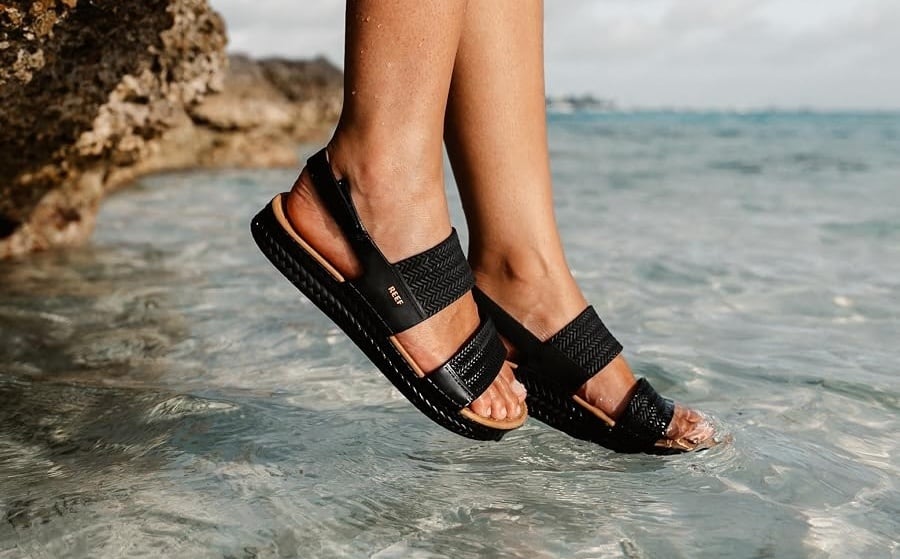
The tradeoff runs the other way in cold or wet conditions. Mesh lets water in just as easily as it lets air out, so a non-waterproof shoe on a muddy, 40-degree morning is a fast track to cold, wet feet. On the warmest, driest days, plenty of hikers skip a closed shoe altogether. Our Reef vs. OluKai vs. Teva sandal comparison covers when a hiking sandal beats either option.

What Actually Matters on Park City Trails
Park City's hiking calendar has two very different halves, and that's the real deciding factor here, more than any spec sheet.
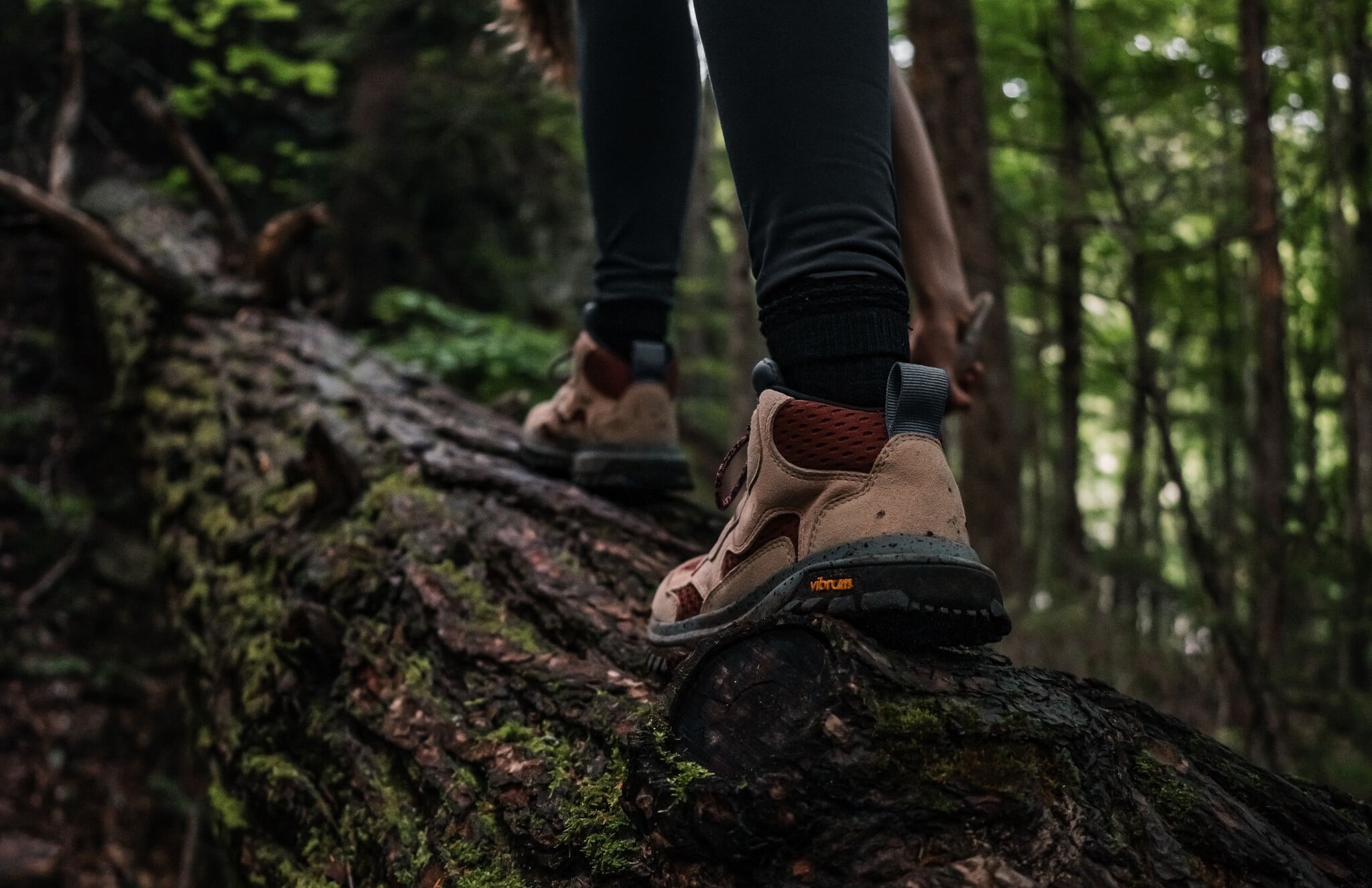
Spring runoff turns trails like Armstrong and Mid-Mountain into mud and shallow snowmelt well into May, and a waterproof shoe with real ankle support earns its keep on those weeks. Once summer dries things out, singletrack around Round Valley and Rail Trail is dusty and warm, and a breathable, non-waterproof trail shoe will be more comfortable mile after mile. Come the late-summer monsoon window, afternoon thunderstorms roll in fast, and a shoe that sheds water quickly rather than one that traps it is usually the better call for a quick, unplanned soaking.
If you only own one pair, think about which season you hike in most and lean that direction. If you're out year-round, this is the case for owning both: a waterproof shoe for shoulder season and mud, a lighter non-waterproof pair for dry summer miles.
Waterproof vs Non-Waterproof at a Glance
| Feature | Waterproof | Non-Waterproof |
|---|---|---|
| Keeps rain and puddles out | Yes | No |
| Breathability | Lower | Higher |
| Dry time once wet | Slow | Fast |
| Best season for Park City | Spring mud, fall, winter | Summer, dry singletrack |
| Weight | Slightly heavier | Lighter |
Why We Recommend On Cloud
We carry On Cloud across both categories because the brand builds a genuinely different shoe for each condition instead of just adding a liner to the same shell.
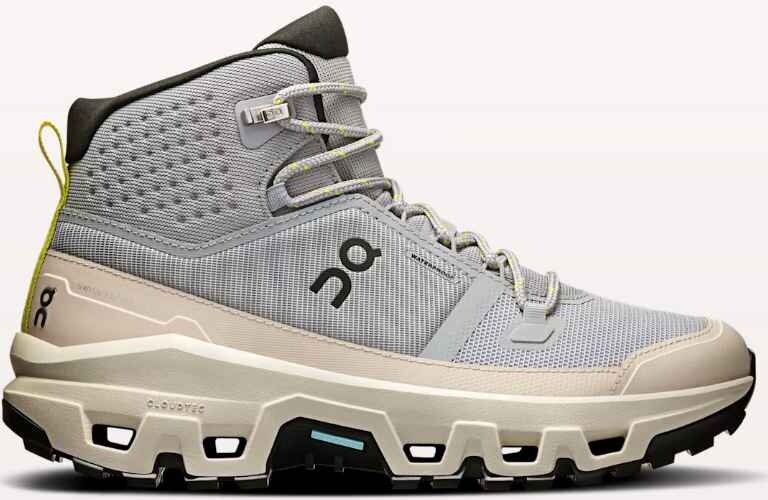
For mud season and shoulder-season hikes, the On Cloud Cloudrock Low Waterproof and On Cloud Cloudrock Mid Waterproof are built for exactly the mixed, wet terrain that shows up on Mid-Mountain and Armstrong through May. Both use a waterproof membrane paired with real trail traction, not a road shoe with a liner bolted on.
For dry, warm miles, the On Cloud Cloudrunner 2 Waterproof sits in between: waterproof enough for a wet trailhead, light enough for a long run. And if you want the fully breathable side of the lineup for summer trail days, the standard Cloudrunner and Cloudmonster models in our footwear collection skip the membrane entirely for maximum airflow.
On Cloud isn't the only brand that plays well here. If you're weighing a more traditional hiking shoe instead, our Salomon X Ultra 5 Mid GTX vs. Merrell Moab 3 comparison breaks down two of the most popular waterproof options for Park City terrain.
Which Should You Choose?
Run through these questions before you buy:
- What season do you hike in most? Cold and wet, go waterproof. Warm and dry, go non-waterproof.
- Are you crossing water? Shallow puddles favor waterproof. Deep creek crossings favor non-waterproof, since it dries out faster once submerged.
- Do your feet run hot? If you already deal with sweaty feet, breathability should outweigh water resistance almost every time.
- One pair or two? Frequent hikers in a four-season market like Park City are often better served owning one of each than compromising with a single do-everything shoe.
FAQ
Should I get waterproof hiking shoes or not?
Choose waterproof if you mostly hike in cold, wet, or muddy conditions. Choose non-waterproof if you hike in warm, dry conditions or expect to cross water deep enough to soak the shoe anyway.
What are the disadvantages of waterproof shoes?
They trap heat and sweat, dry very slowly once water gets in over the collar, and tend to run slightly heavier than non-waterproof options.
Do I need Gore-Tex hiking shoes for Park City?
Only for part of the year. Gore-Tex earns its place during spring mud season and cold-weather hikes. For summer's dry singletrack, a breathable, non-waterproof shoe will be more comfortable.
What are non-waterproof hiking shoes best for?
Warm, dry climates and hikes with water crossings deep enough that staying dry isn't realistic anyway. They dry out fast and keep feet cooler on long days.
Not sure which On Cloud fits your trail plans? Stop by our Park City shop or browse the full footwear collection online; we carry both waterproof and non-waterproof builds side by side.